History360: teaching history through immersive experiences
Updated May 10, 2026
·
Thesis
History usually reaches us as words on a page. Names, dates, summaries you memorize for a test and forget by the weekend.
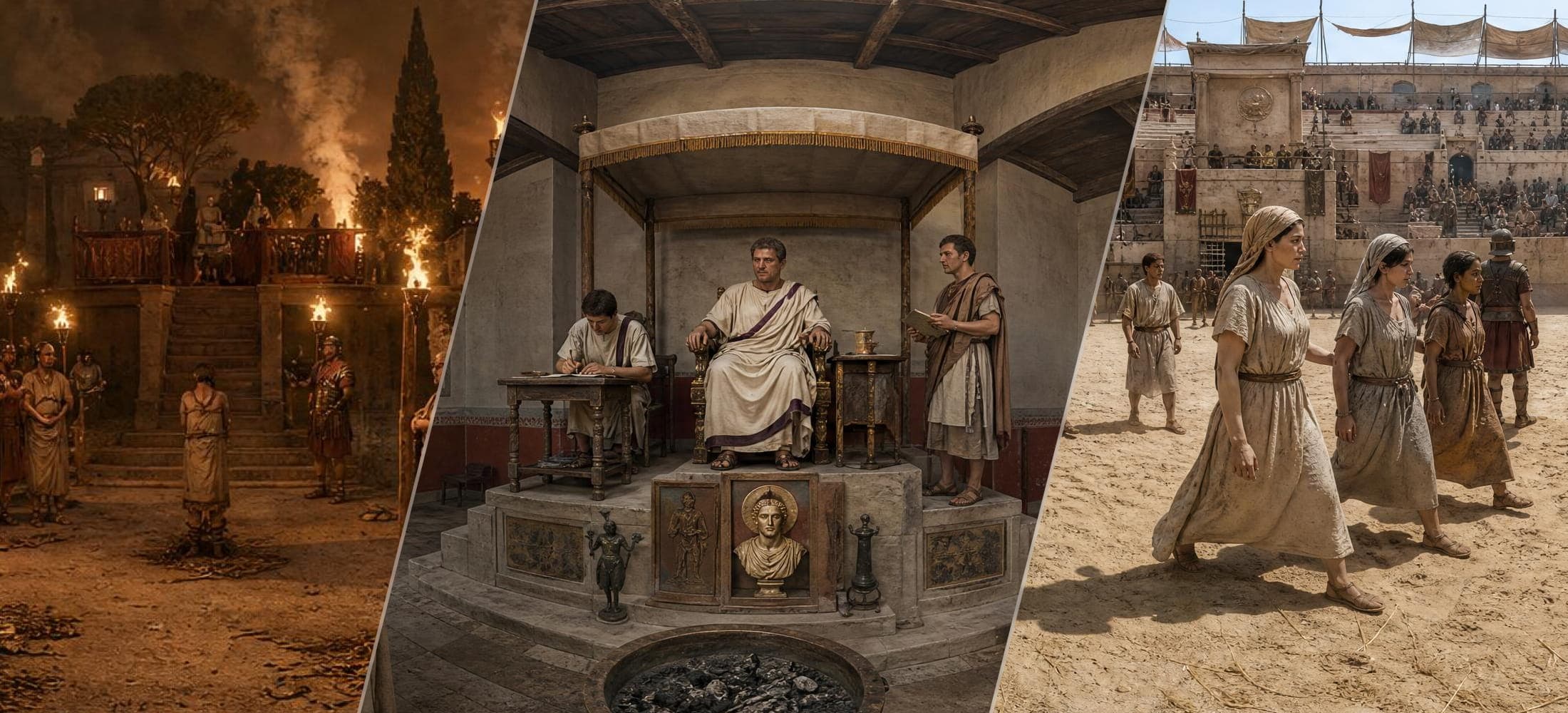
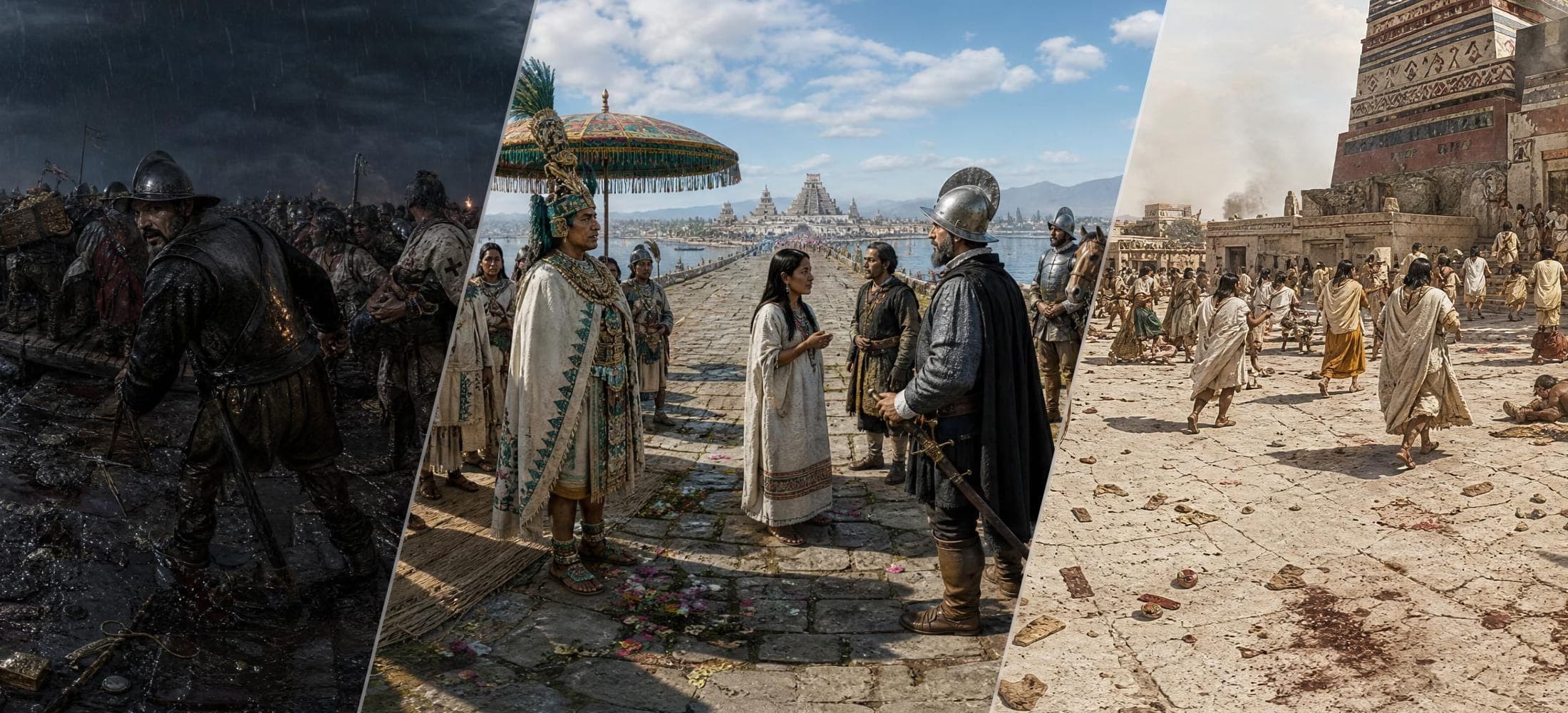
History360 explores a different approach. AI models have gotten good enough to attempt recreating what a place in history actually felt like. Rather than describing a moment, we can try to drop people into it: immersive, guided tours that move through history itself.
Let people step into a real moment from history and experience it firsthand.
At its core, this is a technical endeavor: testing whether AI can generate the entire experience end to end. Not just images or narration, but research, scene design, historical judgment, pacing, audio, and final assembly. The educational dimension matters, but the main challenge is whether the system can create, judge, and improve a complete immersive lesson without hand-authored scenes.
Overview
The system works, but it is not yet good. The image models still make mistakes: people move in implausible ways, details fail to cohere, and even the strongest models fall short of the fidelity the experience demands. The audio has similar limitations. The narration conveys the scene accurately enough, but it lacks the quality needed to hold a listener's attention.
A reasonable estimate is that it is roughly 70% of the way there. The path forward is clear. It is not yet good enough to be worth using, but the remaining gap appears closable.
Future
The remaining gap is small. Image generation may be a single model away from producing clean 360° scenes, while audio and sound effects will likely require both more competition and another generation of models. The immediate priorities are stronger narration, a more capable guide, and sharper imagery. From here, the path toward something that genuinely feels like time travel is clear.
Credit
This work is only possible because of the models built by OpenAI, ElevenLabs, and ByteDance.